The Gemstone and Its Associations
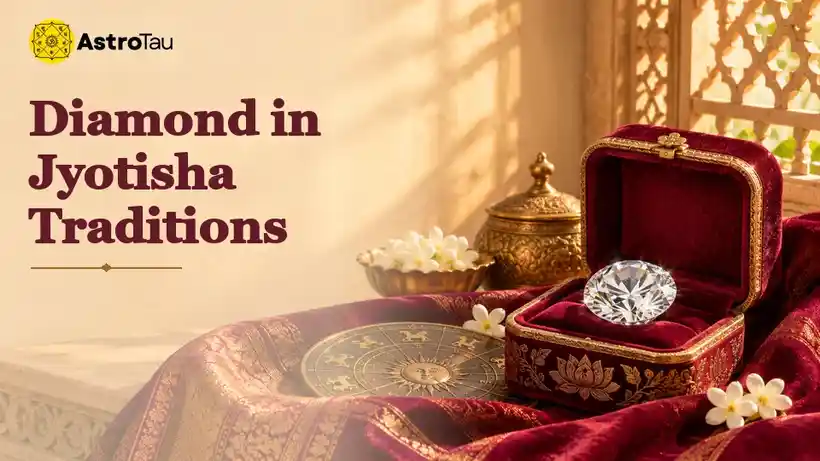
Diamond is traditionally associated with Venus in some Jyotisha practices.
How to Compare the Pieces
The comparison involves two stones by identification and setting before discussing the astrological recommendation. The question is whether a seller describes natural, laboratory-grown or simulated material.
Appearance, Care and Meaning
A stone’s appearance, what it is made of and a traditional use are separate attributes. For a closer comparison, return to the example in “A jeweller's checklist for two matching designs” below. It is useful to keep the starting situation visible and write the single condition you would vary. The comparison involves what changed after that adjustment before giving the result a broader meaning.
Distinguish the Setting from the Venus Association
A small stone mounted low in a ring may work differently from a taller mounting that catches on clothing. The question is what the seller identifies and what the report says about origin and any treatment. A natural and lab-grown diamond are both diamond. A simulant is a different material selected to resemble it. If a reader recommends a stone through Venus symbolism, write what chart factor they used and what form of wear they intend. This allows the practical choice and the symbolic reason to be compared independently.
What Part of the Recommendation Actually Depends
A Jyotisha consultation may connect a recommendation to Venus, a stated chart condition and a particular way of wearing jewellery. The question is whether the reader treats the actual material as essential or is discussing an optional devotional association. The comparison involves that with what the jeweller can document about origin, setting and care. If choosing a ring, verify size and security before choosing a design. It is useful to keep those practical checks with the purchase rather than expecting the chart interpretation to answer questions about the object.
Who Proposed the Traditional Association
If the choice came from a chart discussion, identify the graha, placement and reason given for the recommendation. The question is what part of the recommendation depends on wear, material or timing. It is useful to keep that information with the symbolic interpretation and the identification with the object.
Two Options Under the Same Conditions
Place the pieces under similar light and look from the angle where they will normally be seen. Relevant considerations include comfort, return terms and available documentation. Those details let you evaluate the actual pieces even when sellers use similar traditional language.
Consistency in Ownership and Care Information Together
Write the identification, mounting and any disclosed treatment in a note you can find later. Add the instructions provided for cleaning and storage. If you take the piece for repair, show those details so the person handling it can assess the individual setting and stone.
A Jeweller's Checklist for Two Matching Designs
The question is for the documented material, its dimensions and the mounting type for each piece. The comparison involves a low-profile setting with one in which the stone sits higher and catches on fabric. Both could carry the same Venus association in a reading while fitting the owner's daily life differently. It is useful to keep any treatment information for cleaning and repair. If the practitioner names a particular stone, establish whether the relevant requirement is material, form or simply an optional symbolic association before comparing a natural diamond, lab-grown diamond and a simulant.
What the Object and What the Symbolism Describes
Make a separate note of the material, mounting and any wear or damage you can see. If the object is worn, compare a normal task with an activity that exposes it to knocks or heat. The question is for care information suitable to the exact material and setting. Then write the traditional reason the item was selected and identify which part of the recommendation depends on its physical form. This keeps the purchase or handling decision tied to the object you have, while preserving the symbolic explanation in the context that supplied it.
Put the Choice in Context
Apply the checks in the example to one piece you actually own. It is useful to keep its identification, intended use, physical condition and care requirements together before you compare alternatives.
Common questions
What is the starting point for understanding diamond in jyotisha traditions?
Diamond is traditionally associated with Venus in some Jyotisha practices.
What factors matter before applying this interpretation?
A stone’s appearance, what it is made of and a traditional use are separate attributes.
KEEP EXPLORING
Astrology Remedies
Explore related AstroTau tools and guides.
Explore Astrology Remedies ↗