
Feature on the Hand
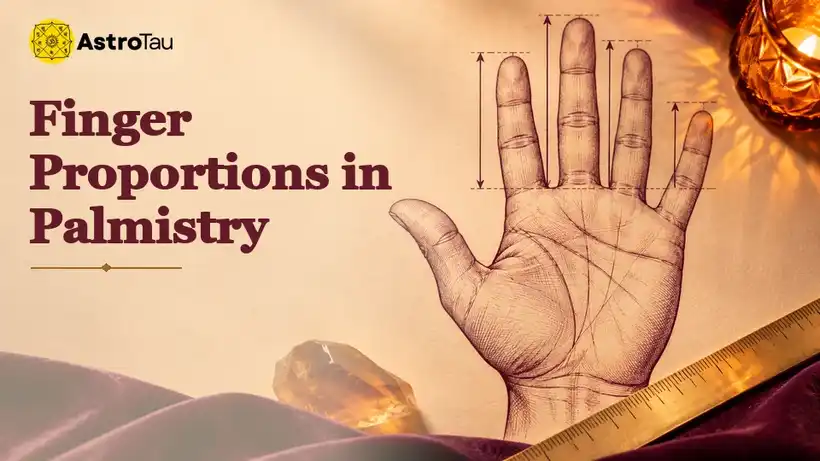
A finger proportion comparison depends on the camera angle and which landmarks you measure.
A Worked Observation
Take a front-on photo with fingers relaxed. The comparison involves length from the visible base to the fingertip and record any uncertainty in the start point.
Conditions That Affect Visibility
Name the particular traditional method before associating measurements with symbolic meanings. For a closer comparison, return to the example in “Repeat a measurement without changing the landmark” below. It is useful to keep the starting situation visible and write the single condition you would vary. The comparison involves what changed after that adjustment before giving the result a broader meaning.
Measurement of Proportions Within One Consistent Hand Photograph
Put the hand down in a relaxed position and use a straight-on view. Pick one landmark for measuring each finger from its visible base and keep that definition across the comparison. If a finger is curled or the camera is close to one side, repeat the photo before assigning significance to a length difference. Traditional hands and finger readings can use several distinct labels. The comparison involves the feature the reader actually uses with the image rather than transferring a claim about relative length to a different shape classification.
Trace Position Before Naming the Feature
Find a nearby major crease and use it as a reference. Mark where the observed feature starts, whether it continues and where a branch joins it. It is useful to keep uncertain segments separate. A change in visibility can come from the position of the palm rather than the underlying crease.
Both Hands Without Assuming Symmetry
The relevant information includes each hand independently before putting the sketches together. One approach is to use the same light, angle and approximate scale. A feature can be clearer on one side or connect differently with an adjacent crease. If the practitioner gives one hand special weight, record that convention separately.
Look at the Illustration and Method Together
A palmistry diagram can simplify shapes to make the basic landmarks visible. Relevant considerations include that the diagram is naming the same location you recorded. The question is whether the interpretation depends on length, direction, junction or another property. Then compare descriptions that actually use the same feature.
Consistency in Observation and Symbolism Distinct
Write one line about what the photo shows and another about the traditional explanation. A visible fold can be recorded even when no symbol can be assigned confidently. If a reader gives a different name, use the drawing to establish whether both people mean the same line.
Repeat a Measurement Without Changing the Landmark
Measure from one chosen crease at the finger base to the tip, and write which crease you used. The comparison involves the same finger under the same camera angle on the other hand. If the lighting makes the base hard to see, repeat the image rather than moving the ruler to a more visible line. Preserve the measurements before choosing terminology. A claim about relative lengths should use the same landmarks on each side.
Consistency in a Second Observation Beside the First
The relevant details include the important details of one example before moving to another. For a dream, note the setting, action and point where the feeling changed. For a visible mark, record its location and photograph it from a comparable angle. Explain which detail recurs and which differs. The comparison should show why you are considering a particular interpretation and whether another account also fits. A short raw observation lets you review a new possibility without altering what you actually saw or remembered in the first example.
Feature in Context
Repeat the example under a second viewing angle and note which landmarks remain visible. The comparison involves only the features you can locate consistently. Add the name used in the palmistry method after identifying the position.
Common questions
What is the starting point for understanding finger proportions in palmistry?
A finger proportion comparison depends on the camera angle and which landmarks you measure.
What factors matter before applying this interpretation?
Name the particular traditional method before associating measurements with symbolic meanings.
KEEP EXPLORING
Tarot and Palmistry Guides
Explore related AstroTau tools and guides.
Explore Tarot and Palmistry Guides ↗