Cultural Background
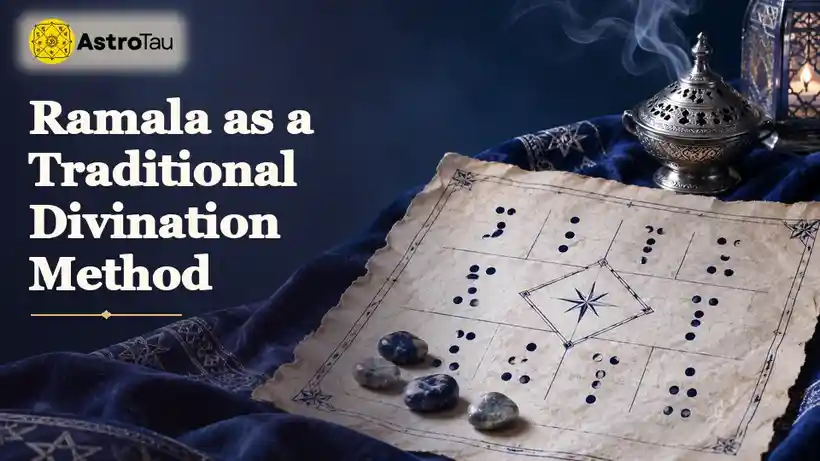
Ramala uses arrangements of marks or dots as inputs to a symbolic reading.
Practice
The relevant information includes the order in which marks are made and how they are grouped before comparing interpretations.
Variations in Observance
A method needs its own key. Similar diagrams can come from different procedures. For a closer comparison, return to the example in “Preserve the order of the rows” below. It is useful to keep the starting situation visible and write the single condition you would vary. The comparison involves what changed after that adjustment before giving the result a broader meaning.
Order of Marks Before Interpreting a Figure
In a dot-based method, the original count and the way marks are grouped can determine which figure appears. Preserve the rows in the order they were made. If the system reduces each row by odd and even counts, document that step only when that is the rule your source uses. The comparison involves the figure name with the resulting pattern before interpreting it. Similar-looking patterns can arise in different methods, so the procedure and vocabulary belong together when explaining how a reading was produced.
Symbolism and Usage
Describe the material, form and location before discussing symbolism. A physical object can be used in a ceremony, displayed afterward or kept as a gift. Those uses impose different practical requirements. Write which one applies before you copy handling or placement instructions.
Traditional Sequence
If one instruction changes from family to family, consider whether it concerns the beginning, main action or end of the observance. Follow a single documented sequence when learning it. It is useful to keep a note of any pronunciation, translation or timing question you want to ask the person who taught it.
Practical Considerations
Confirm what time people can attend, who is preparing the items and how the location can be used safely. The question is which elements are essential to the observance and which may be adapted. Agree on these details before inviting someone who has learned a different version of the custom.
Key Distinctions
A concise note can record what you observed, what the family or text calls it and which aspect you intend to follow. If another account differs, locate the exact step that changed. It is useful to keep both accounts recognizable rather than blending individual instructions into a new rule.
Preserve the Order of the Rows
Write the marks on the page rather than keeping only the final figure. If the method groups marks by odd and even counts, record each reduction and the direction in which you read the rows. The comparison involves a second figure by repeating the documented procedure. A similar-looking final diagram cannot tell you how it was obtained. This basic record makes it possible to explain where a difference originated before discussing a traditional interpretation.
Regional and Cultural Variations
Choose one actual occasion and identify who is taking part, what objects are involved and which steps belong to the custom being described. The question is the person leading it which parts can change when the place, materials or available time are different. For a story or image, instead record the version and physical setting where you encountered it. It is useful to keep that information with the account rather than combining instructions from unrelated situations. The result should tell someone how to recognize this version and which details they would need to confirm before following it.
Bringing the Details Together
One approach is to use the example to identify the part of the custom you intend to observe. The relevant information includes the materials, place and sequence, then confirm any detail that is specific to the people taking part.
Common questions
What is the starting point for understanding ramala as a traditional divination method?
Ramala uses arrangements of marks or dots as inputs to a symbolic reading.
What factors matter before applying this interpretation?
A method needs its own key. Similar diagrams can come from different procedures.
KEEP EXPLORING
Vedic Astrology Guide
Explore related AstroTau tools and guides.
Explore Vedic Astrology Guide ↗