Cultural Background
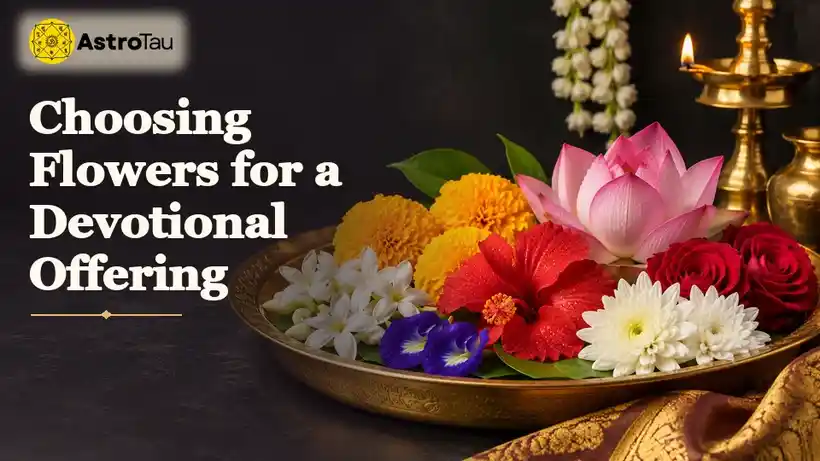
Flower choices can depend on the deity, ceremony and local availability.
Practice
The question is whether a colour or species is central to the rite or comes from what is in season. Relevant considerations include that the flowers suit the available vase or offering place.
Variations in Observance
It is useful to keep ordinary plant handling separate from the symbolic meaning of the offering. For a closer comparison, return to the example in “Choose a substitute by asking what the offering requires” below. It is useful to keep the starting situation visible and write the single condition you would vary. The comparison involves what changed after that adjustment before giving the result a broader meaning.
Which Feature of the Flower Matters to
A guide can name a colour, a species, a seasonal choice or a flower already offered in a particular temple. Those instructions do not always refer to the same property. The question is the person organizing the observance whether a substitute is appropriate when the named flower is unavailable. Set aside flowers that are suitable for the place and prepare a container before the ceremony. It is useful to keep them separate from foods or products people might otherwise assume they should use. The devotional value can be discussed within the occasion.
Symbolism and Usage
Describe the material, form and location before discussing symbolism. A physical object can be used in a ceremony, displayed afterward or kept as a gift. Those uses impose different practical requirements. Write which one applies before you copy handling or placement instructions.
Traditional Sequence
If one instruction changes from family to family, consider whether it concerns the beginning, main action or end of the observance. Follow a single documented sequence when learning it. It is useful to keep a note of any pronunciation, translation or timing question you want to ask the person who taught it.
Practical Considerations
Confirm what time people can attend, who is preparing the items and how the location can be used safely. The question is which elements are essential to the observance and which may be adapted. Agree on these details before inviting someone who has learned a different version of the custom.
Key Distinctions
A concise note can record what you observed, what the family or text calls it and which aspect you intend to follow. If another account differs, locate the exact step that changed. It is useful to keep both accounts recognizable rather than blending individual instructions into a new rule.
A Substitute by Asking What the Offering Requires
A seasonal flower may be unavailable. The question is whether the observance calls for the exact species, a colour or a form that fits the offering place. If a substitute is appropriate, choose one that can be handled and disposed of easily. The relevant information includes the name you were given if the same common name is used for different plants. It is useful to keep the prepared offering separate from household foods and explain its symbolic purpose in the context of the actual rite.
Regional and Cultural Variations
Choose one actual occasion and identify who is taking part, what objects are involved and which steps belong to the custom being described. The question is the person leading it which parts can change when the place, materials or available time are different. For a story or image, instead record the version and physical setting where you encountered it. It is useful to keep that information with the account rather than combining instructions from unrelated situations. The result should tell someone how to recognize this version and which details they would need to confirm before following it.
Bringing the Details Together
One approach is to use the example to identify the part of the custom you intend to observe. The relevant information includes the materials, place and sequence, then confirm any detail that is specific to the people taking part.
Common questions
What is the starting point for understanding choosing flowers for a devotional offering?
Flower choices can depend on the deity, ceremony and local availability.
What factors matter before applying this interpretation?
It is useful to keep ordinary plant handling separate from the symbolic meaning of the offering.
KEEP EXPLORING
Vedic Astrology Guide
Explore related AstroTau tools and guides.
Explore Vedic Astrology Guide ↗