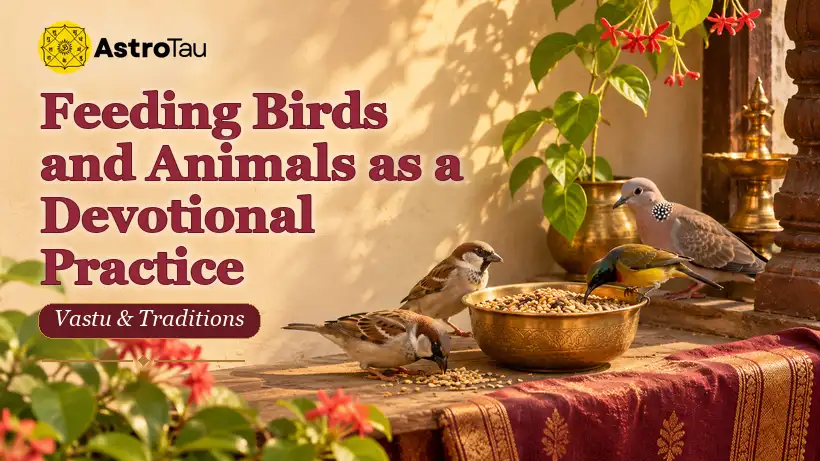
Plan the feeding site before offering food
Identify the species, ask what food is suitable and find out who removes leftovers. Work with an established local animal care group if the site is busy or you are uncertain. Helping the group can serve the same devotional purpose.
Meaning and background
Feeding animals can be a way to express care in a devotional routine. The practical details depend on the species, location and advice from local animal-care organizations.
How the custom can be approached
Ask a local group which actions are appropriate and which materials they actually need. If feeding in a public area is unsuitable, consider contributing supplies or time through a group with a clear process. Ask a local animal-care organization what is appropriate for the species and location. A planned donation to a group that can provide suitable care is another way to express the same intention.
What varies by setting
Keep the devotional intention and the animal's needs on separate lines of the plan. Pay attention to hygiene and the people who share the space. Find out which species regularly visit and whether the location already has an arrangement for feeding. Identify a suitable food with help from people familiar with the animals, plan how leftovers will be removed and keep paths clear. A devotional intention can be served by volunteering time or supplies through a group that already maintains the site. If you participate directly, write down your schedule and coordinate with the people who use the space. This makes the act repeatable and addresses the consequences of leaving food in a shared place.
A second example
Ask whether a local animal-care group needs food, supplies or volunteer time. A donation based on their actual request can express the same intention as a household feeding custom while fitting the species and location. Keep an eye on cleanup and where people share the space. A devotional plan can include practical arrangements before the activity begins.
Observe the setting
Identify the animal, place and action as far as you can from a safe distance. Keep an account of what you saw before comparing it with a local story or symbolic guide. Ask whether the location offers shelter, food or another ordinary reason for the behaviour.
Connect symbolism with responsible action
If a family custom encourages an act of care, choose an action that fits the animal and surroundings. Ask a local organization when intervention is appropriate. If you are simply reflecting on a sighting, you can record the association in a journal and leave the animal undisturbed.
Distinguish the accounts
A cultural account can explain why a sighting matters to a community. Wildlife guidance addresses the behaviour of the species and whether people should act. Use the relevant source for each question and keep any practical decision tied to observable conditions.
Check the practical details of a feeding routine
Ask which animals visit, what food is appropriate and who maintains the site. Existing welfare groups can explain what support they need. Plan for safe placement, cleanup and neighbours. Time or supplies can express the same devotional intention when direct feeding is unsuitable at the location.
Common questions
How should I decide what to offer?
Get guidance from an organization that knows the species and locality. Choose an action you can carry out responsibly.
KEEP EXPLORING
Vedic Astrology Guide
Continue exploring this topic with AstroTau.
Explore Vedic Astrology Guide ↗