Cultural Background
Feng Shui figurines can refer to different traditions, makers and display conventions.
Practice
Look at a standalone tortoise and a dragon-headed tortoise. Name which object you own before comparing placement instructions. For a closer comparison, return to the example in “Where the tortoise fits in an entrance plan” below. It is useful to keep the starting situation visible and write the single condition you would vary. The comparison involves what changed after that adjustment before giving the result a broader meaning.
Variations in Observance
A heavy figurine needs a stable shelf and room around it. The question is whether a suggested direction describes the room, shelf or facing direction.
Figure's Placement and Sightline
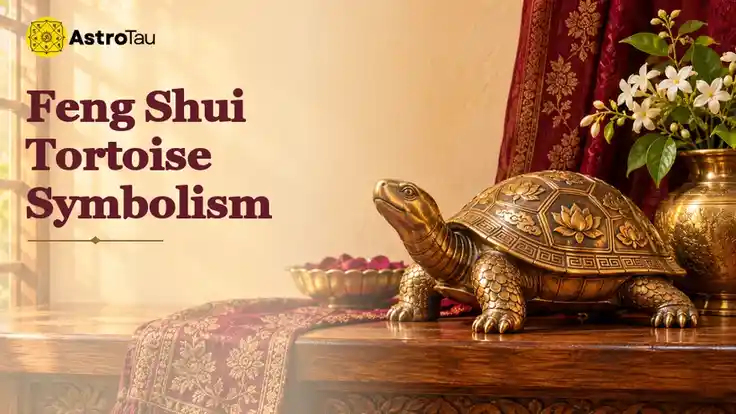
A standalone tortoise on a desk and a dragon-headed tortoise on a display shelf serve distinct decorative purposes before anyone assigns a symbolic meaning. Draw the room and label where the figurine sits, which way it faces and who sees it from the entrance. The question is which direction the description actually refers to. A placement that is hard to dust or easy to knock can create a maintenance problem. A family may also have a custom tied to a gift that differs from a shop's general advice.
Measurement of the Suggested Direction
Mark the entrance and the point at which the figurine faces into the room. A direction for the shelf and one for the animal's head can differ in the same arrangement. The question is which orientation a guide describes before comparing options. Try a temporary position that lets you see whether the display interferes with a door or frequently used surface. Write the intention behind the placement and assess the arrangement as an actual object in the room, with enough room for cleaning and normal movement.
Traditional Sequence
If one instruction changes from family to family, consider whether it concerns the beginning, main action or end of the observance. Follow a single documented sequence when learning it. It is useful to keep a note of any pronunciation, translation or timing question you want to ask the person who taught it.
Practical Considerations
Confirm what time people can attend, who is preparing the items and how the location can be used safely. The question is which elements are essential to the observance and which may be adapted. Agree on these details before inviting someone who has learned a different version of the custom.
Key Distinctions
A concise note can record what you observed, what the family or text calls it and which aspect you intend to follow. If another account differs, locate the exact step that changed. It is useful to keep both accounts recognizable rather than blending individual instructions into a new rule.
Where the Tortoise Fits in an Entrance Plan
Put a temporary object of the same size on the intended shelf and establish whether the door clears it. Note where someone approaching sees the head and whether the figure is visible above other objects. If a placement guide specifies a direction, consider whether it describes the direction of the doorway or that of the figure. A tortoise, a dragon-headed tortoise and an image of a real animal can be distinct subjects. A relevant consideration is what you own before using instructions written about something else.
Regional and Cultural Variations
Choose one actual occasion and identify who is taking part, what objects are involved and which steps belong to the custom being described. The question is the person leading it which parts can change when the place, materials or available time are different. For a story or image, instead record the version and physical setting where you encountered it. It is useful to keep that information with the account rather than combining instructions from unrelated situations. The result should tell someone how to recognize this version and which details they would need to confirm before following it.
Bringing the Details Together
One approach is to use the example to identify the part of the custom you intend to observe. The relevant information includes the materials, place and sequence, then confirm any detail that is specific to the people taking part.
Common questions
What is the starting point for understanding feng shui tortoise symbolism?
Feng Shui figurines can refer to different traditions, makers and display conventions.
What factors matter before applying this interpretation?
A heavy figurine needs a stable shelf and room around it. The question is whether a suggested direction describes the room, shelf or facing direction.
KEEP EXPLORING
Vedic Astrology Guide
Explore related AstroTau tools and guides.
Explore Vedic Astrology Guide ↗