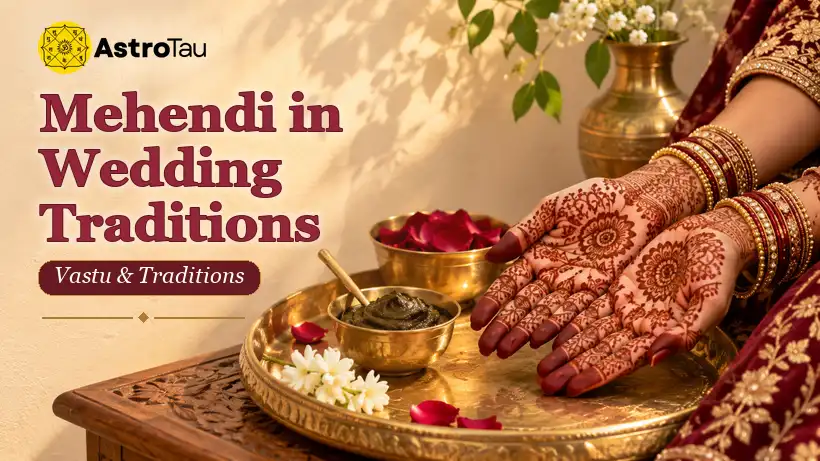
Plan different sizes of mehendi design
Set aside more application time for a detailed bridal design than for a small guest motif. Ask the artist about the sequence and aftercare and put clothing changes and travel on the same timetable.
Meaning and background
Mehendi in weddings can be decorative, social and ceremonial. Designs and application customs vary, and the amount of time depends on the areas covered and the artist's method.
How the custom can be approached
Choose a pattern and confirm the ingredients and drying time. If the schedule is tight, consider a smaller design that can dry before travel or clothing changes. Ask how long the artist needs for the chosen pattern and whether someone will help during drying. If the design is important for photos or ceremony timing, schedule it with enough space for everyday tasks afterward.
What varies by setting
Ask for a clear ingredient list rather than treating every dark paste as ordinary henna. Coordinate the application time with the people responsible for the ceremony and photographs.
A second example
Ask the artist how much preparation and drying time the selected design needs. If you need to travel or change clothes soon afterward, choose a design and schedule that leave enough room. Confirm the ingredients with the artist rather than relying on the colour of the paste. For a wedding, record who is taking part and which parts of the design have a family meaning. A smaller pattern may still preserve those features.
Separate materials, placement and meaning
A physical object can have a practical design and a cultural role. Record the material or method, where it is used and the person or tradition that assigns its meaning. This gives you a way to discuss preferences without assuming that the same object is used in the same way everywhere.
Plan for the occasion
If the object or practice is for a specific event, ask who will take part and when it will be needed. Check the relevant size, placement, drying time or setup. For something intended for daily use, try it in the environment where it will actually be used and pay attention to comfort, visibility or storage.
Compare alternatives in context
Ask what the original choice is meant to achieve and which parts are important to the people involved. A practical adjustment can sometimes preserve the intended meaning. Record the version that works for the specific occasion so another person can understand why you chose it.
Plan timing for the bridal and guest designs
Compare the time required for a detailed bridal pattern with the time for smaller guest designs. Ask which motifs matter to the family and which the artist can choose. Set up a comfortable place to sit and leave time for any waiting or care the artist advises before clothing changes or travel. Let guests decide whether they want to take part or choose a simpler design. Plan the time and place before finalizing design size. An application that leaves the hands occupied can affect other preparations, travel and clothing changes. Ask the artist for the expected sequence and the family which motifs matter. Give guests a choice of a smaller design or no application so they can take part comfortably in the surrounding celebration.
Note when the bridal design has to be ready and ask the artist how much time application and any immediate aftercare require. Then account for travel, meals and changing clothes. Offer guests a smaller design or a chance to sit out, since they may have less time available. If the family wants a particular motif, show it to the artist before settling the schedule. A clear sequence helps the bridal design and the guest activity fit the same event without relying on the same timing.
Common questions
When should I schedule it?
Discuss the artist's preparation and drying requirements, then leave enough room for the activities that follow.
KEEP EXPLORING
Vedic Astrology Guide
Continue exploring this topic with AstroTau.
Explore Vedic Astrology Guide ↗