Cultural Background
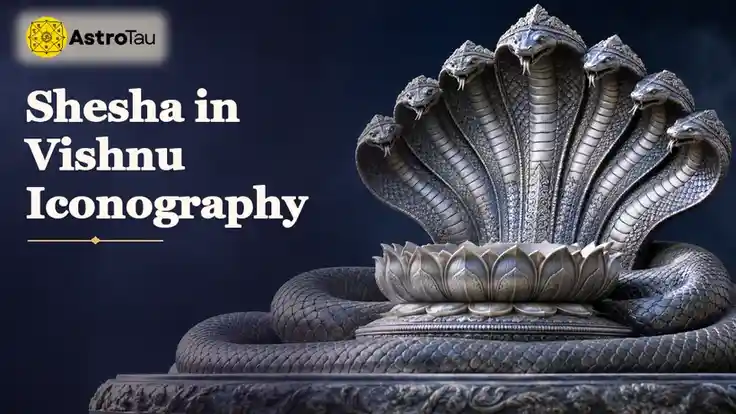
Shesha appears as a many-hooded serpent in Vishnu iconography.
Practice
The comparison involves a sculpture emphasizing the serpent’s hoods with an image showing Vishnu reclining on the serpent. A relevant consideration is the scene before reading its symbolism.
Variations in Observance
A reference to an iconographic form and a retelling of a myth can use different details. For a closer comparison, return to the example in “Identify the relationship between the hoods and the central figure” below. It is useful to keep the starting situation visible and write the single condition you would vary. The comparison involves what changed after that adjustment before giving the result a broader meaning.
Details That Identify a Shesha Image
Count the hoods visible in the piece and look for Vishnu reclining or another associated figure. A relevant consideration is whether the serpent is supporting, sheltering or simply pictured next to the main subject. Artwork may emphasize the setting differently from the narrative you are reading. Write the features you can verify in the object before adding symbolism from another source. This lets you explain why one figure is recognized as Shesha without assuming every multi-headed serpent image presents the same scene.
Symbolism and Usage
Describe the material, form and location before discussing symbolism. A physical object can be used in a ceremony, displayed afterward or kept as a gift. Those uses impose different practical requirements. Write which one applies before you copy handling or placement instructions.
Traditional Sequence
If one instruction changes from family to family, consider whether it concerns the beginning, main action or end of the observance. Follow a single documented sequence when learning it. It is useful to keep a note of any pronunciation, translation or timing question you want to ask the person who taught it.
Practical Considerations
Confirm what time people can attend, who is preparing the items and how the location can be used safely. The question is which elements are essential to the observance and which may be adapted. Agree on these details before inviting someone who has learned a different version of the custom.
Key Distinctions
A concise note can record what you observed, what the family or text calls it and which aspect you intend to follow. If another account differs, locate the exact step that changed. It is useful to keep both accounts recognizable rather than blending individual instructions into a new rule.
Influences on Relationship and the Central Figure
A many-hooded serpent can appear behind a reclining figure, above it as shelter or as the main subject of an object. Relevant considerations include whether the associated figure and setting identify Shesha before interpreting the hoods. Take a note of what the artwork visibly shows and what its description adds. If comparing a sculpture with a story, locate where those details are supplied. This helps explain why similar serpents need not depict the same episode.
Regional and Cultural Variations
Choose one actual occasion and identify who is taking part, what objects are involved and which steps belong to the custom being described. The question is the person leading it which parts can change when the place, materials or available time are different. For a story or image, instead record the version and physical setting where you encountered it. It is useful to keep that information with the account rather than combining instructions from unrelated situations. The result should tell someone how to recognize this version and which details they would need to confirm before following it.
Bringing the Details Together
One approach is to use the example to identify the part of the custom you intend to observe. The relevant information includes the materials, place and sequence, then confirm any detail that is specific to the people taking part.
Common questions
What is the starting point for understanding shesha in vishnu iconography?
Shesha appears as a many-hooded serpent in Vishnu iconography.
What factors matter before applying this interpretation?
A reference to an iconographic form and a retelling of a myth can use different details.
KEEP EXPLORING
Vedic Astrology Guide
Explore related AstroTau tools and guides.
Explore Vedic Astrology Guide ↗