What a maneki-neko figurine shows
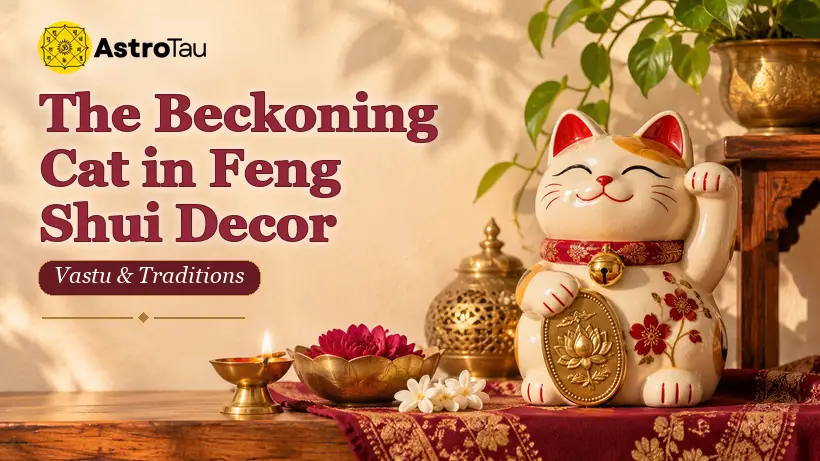
Look at the raised paw, colour and object it holds. The Japanese beckoning cat can appear in broader good-fortune displays, and a shop’s placement instructions may reflect a modern decor guide. Identify the source before applying a rule.
Meaning and background
Maneki-neko is a Japanese beckoning-cat figurine. It may be displayed with objects marketed as feng shui decor. Its cultural history and modern placement suggestions can be studied separately.
How the custom can be approached
For a shop counter, consider where visitors will see it without needing to move it. Choose a stable surface that leaves working room. If the gesture or colour has a meaning in a specific account, note the source. Figurines can differ in materials, decoration and gesture. Ask the shop about the object’s origin and any intended meaning. Choose a display position that makes it easy to see and keeps it from being knocked over.
What varies by setting
Placement advice varies between sellers and practitioners. Keep the physical needs of your space in view when comparing symbolic arrangements.
A second example
A figurine intended for a shop can be considered in the context of a real counter. Choose a stable place where visitors can see it and staff can work without knocking it. If the maker explains the colour or gesture, note that explanation. When comparing display advice, check whether it is describing a Japanese custom, a modern decorative preference or a separate feng shui interpretation. The source tells you which claim you are evaluating.
Separate materials, placement and meaning
A physical object can have a practical design and a cultural role. Record the material or method, where it is used and the person or tradition that assigns its meaning. This gives you a way to discuss preferences without assuming that the same object is used in the same way everywhere.
Plan for the occasion
If the object or practice is for a specific event, ask who will take part and when it will be needed. Check the relevant size, placement, drying time or setup. For something intended for daily use, try it in the environment where it will actually be used and pay attention to comfort, visibility or storage.
Compare alternatives in context
Ask what the original choice is meant to achieve and which parts are important to the people involved. A practical adjustment can sometimes preserve the intended meaning. Record the version that works for the specific occasion so another person can understand why you chose it.
Look at what the figurine depicts and where the custom comes from
The Japanese maneki-neko can vary by raised paw, colour and the object it holds. A modern display guide may assign meanings different from the manufacturer’s account or a regional custom. Note which source you are using. If you display the figure, check sightline and stability and decide whether you are treating it as a gift, a cultural reference or a decoration. If a figure was given to mark the opening of a shop or a new home, note the occasion before looking up its colour or raised paw. Compare the source’s account of the figure with the way it is used in your setting. A household can choose to display it as a gift or as an object associated with a custom. Stable placement and a clear sightline remain practical considerations in either case.
Look at which paw is raised, what it holds and where the object came from. The Japanese beckoning cat can be sold with modern display or good-fortune advice that differs from the meaning attached by the giver or maker. Keep those accounts with their sources. When displaying a figure, consider where it can sit securely and who will see it. Its role as a gift or shop decoration can explain the choice of position even if different descriptions assign a different meaning to the paw.
Common questions
Does the raised paw always mean the same thing?
Accounts vary. Check the maker's or source's explanation before assigning a universal meaning.
KEEP EXPLORING
Vedic Astrology Guide
Continue exploring this topic with AstroTau.
Explore Vedic Astrology Guide ↗